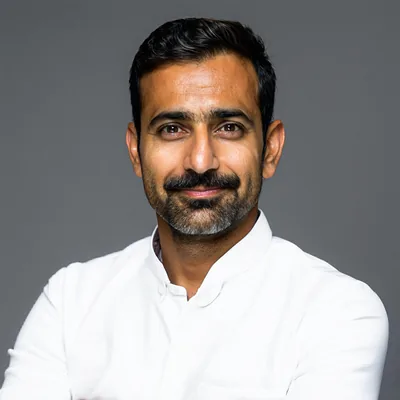
Ravi Srinivasan
Founder
Encountered a BEC attack at a prior company that passed M365's filters. Built Phishaver to give mid-market IT teams the detection capability that only large SOC teams have. Austin, TX.
About Phishaver
Phishaver was founded in 2024 by Ravi Srinivasan, based in Austin, TX. We give mid-market IT teams the phishing detection capability that only large SOC teams currently have.

While managing IT security at a prior company, Ravi Srinivasan watched a business email compromise attack almost succeed. The email was convincing — it impersonated the CFO, referenced a real vendor payment, used the right signature block, and arrived from a domain that looked legitimate. Microsoft 365 Defender passed it. The attack was caught not by any tool, but by a suspicious employee who called the CFO directly to verify before initiating the wire transfer.
The lesson was clear: rule-based email security has a ceiling, and that ceiling is well below what targeted attackers can build. LLM-based semantic analysis — the ability to score the intent and pattern of an email the way an experienced analyst would — could close that gap. Phishaver was founded to build that capability and make it accessible to mid-market IT teams who can't staff a full SOC.
No MX changes, no forwarding rules. Your email delivery path stays exactly as it is.
High-confidence detections only. Confidence scores and detection evidence with every flag.
Minimal retention, read-only access, in-memory analysis. What we need to detect, nothing more.
Designed for organizations without a dedicated SOC — not for enterprise security programs with 20-person teams.
Four people building the detection capability that mid-market IT teams need.
Encountered a BEC attack at a prior company that passed M365's filters. Built Phishaver to give mid-market IT teams the detection capability that only large SOC teams have. Austin, TX.

Former threat analyst at a security research firm; developed detection signatures for spear phishing and BEC campaigns. Published researcher in social engineering attack patterns.
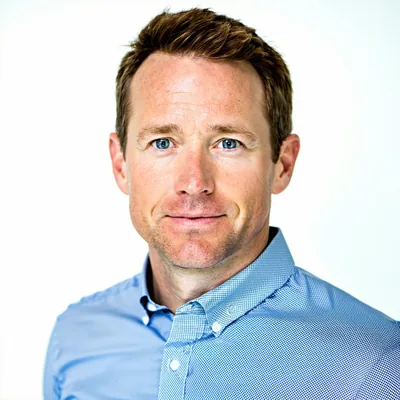
ML engineer with prior experience building NLP classification systems for a compliance automation company. Designed the LLM inspection pipeline at Phishaver.
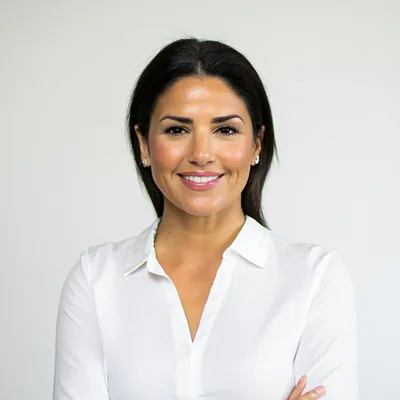
Previously managed IT security onboarding at a regional managed service provider. Brings deep understanding of how mid-market IT teams actually deploy and use security tools.
Austin is home to a genuine cybersecurity and enterprise technology community — SailPoint (identity governance), ForcePoint (data and network security), Indeed (HR/recruiting security at scale), NXP Semiconductors, and a growing cluster of security-focused startups. Phishaver is building at 111 Congress Avenue in the heart of Austin's financial-technology corridor.
Being outside the Bay Area isn't a compromise — it's an advantage. Austin's mid-market business community is our first customer base. We're close to the financial services firms, healthcare networks, and manufacturing companies who need what we're building.
Seed-stage company with early revenue. Building the right product for the right market before scaling go-to-market. Not over-claiming scale.
Join us
Building detection engineering, product, and customer success roles. If you've worked in email security, threat analysis, or M365/GWS deployment, we'd like to talk.